
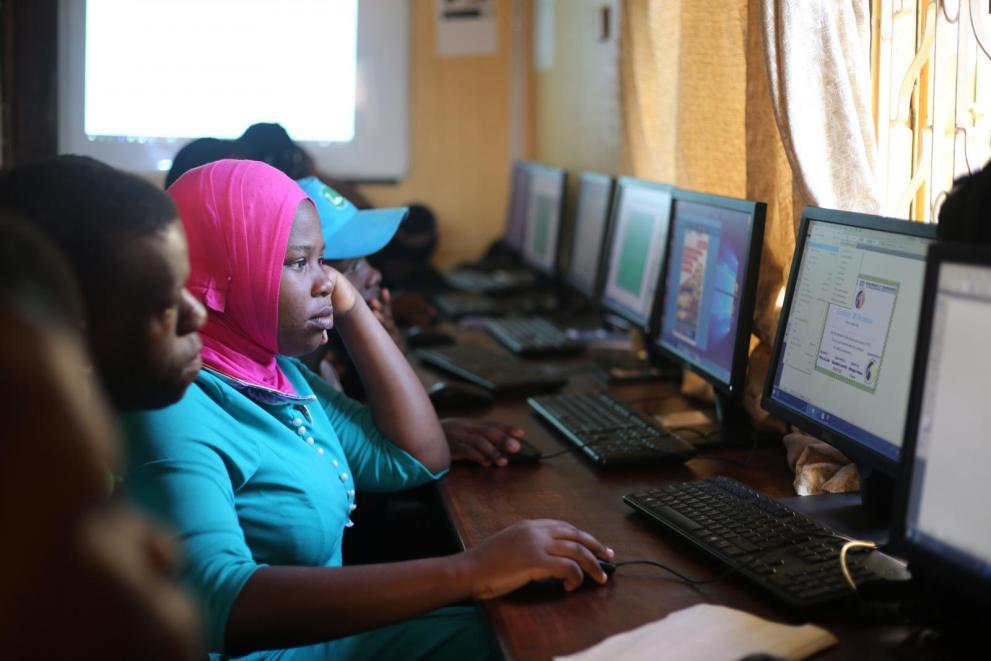
Uganda has a large and youthful population, full of energy, creativity, and potential. However, many young people face challenges in finding employment and earning a reliable income. Some leave school because of financial difficulties, while others complete their education without acquiring the practical skills needed to enter the job market.
For many young people, the challenge does not end with education. The cost of vocational training, limited access to tools and equipment, and a lack of connections to employers can make it difficult to secure a job or start a small business.
At Kangave Youth Development Group (KYDG), we believe that young people need practical opportunities to turn their abilities into productive livelihoods. This belief informs our proposed project, Empowering Unemployed Youth in Uganda Through Welding and Vocational Skills Training and Job Placement.
The initiative aims to help vulnerable young people acquire marketable skills, explore employment opportunities, and work towards economic independence.
Addressing the Youth Unemployment Challenge
Youth unemployment and underemployment affect individuals, families, and communities. When young people cannot find meaningful work, they may struggle to meet their basic needs, support their families, or pursue their personal goals.
Many face several barriers, including limited access to affordable vocational training, inadequate practical experience, insufficient start-up capital, and difficulties connecting with employers.
These challenges highlight the need for training programmes that go beyond classroom instruction. Young people need opportunities to practise what they learn, understand workplace expectations, develop business skills, and connect with potential employers.
KYDG seeks to address these gaps by promoting practical, competency-based vocational training linked to job placement, apprenticeships, and entrepreneurship support.
Our Proposed Welding and Vocational Skills Training Programme
The proposed project will target 100 unemployed young people over 12 months, with priority given to individuals from disadvantaged communities.
Participants will receive practical training in welding and metal fabrication, alongside other relevant vocational skills. Depending on training arrangements and available resources, the programme will also cover construction basics, basic electrical installation, workplace safety, and professional conduct.
The training will emphasise hands-on learning, allowing participants to develop practical abilities that can be applied in real working environments.
Through this approach, young people will have an opportunity to develop skills that may help them pursue employment, apprenticeships, or self-employment.
Equipping Youth With Business Skills
Technical skills are important, but they are only one part of building a sustainable livelihood. Young people who wish to start their own businesses also need to understand how to manage money, serve customers, plan their activities, and keep proper records.
For this reason, the project will include entrepreneurship and financial literacy training.
Participants will learn about business planning, savings, financial record keeping, customer service, and group enterprise models. These skills will help prepare them to make informed decisions as they explore ways to earn an income.
KYDG also plans to promote business mentorship and group tool-sharing initiatives to help graduates overcome some of the challenges associated with starting small enterprises.
Connecting Training to Employment Opportunities
Completing training does not automatically guarantee employment. Young people also need access to workplaces where they can gain experience, demonstrate their abilities, and build professional relationships.
The proposed project will therefore seek partnerships with local companies, construction firms, metal fabrication workshops, and other relevant businesses.
Planned activities include apprenticeship placements, industry exposure visits, and meetings that connect trainees with potential employers.
For graduates who choose self-employment, the project will explore start-up support, including toolkits for selected graduates and opportunities to work together through shared resources.
By linking practical training with employment and enterprise opportunities, KYDG aims to improve the chances that participants can use their newly acquired skills to earn a living.
Who Will Benefit?
The project will focus on unemployed young people aged 18–35, particularly school dropouts, young people from low-income households, vulnerable young women and men, and individuals without formal vocational certification.
Priority will be given to applicants from disadvantaged communities who face barriers to accessing training and employment.
By making practical skills development more accessible, the initiative aims to give young people a pathway towards greater confidence, independence, and participation in economic activities.
Expected Results
Over the proposed 12-month implementation period, KYDG aims to train 100 young people in marketable vocational skills.
The project will target employment or self-employment for at least 70% of trained participants within six months of graduation. It also aims to support improved income opportunities, reduce economic vulnerability, and strengthen the local workforce in construction, welding, and metal fabrication.
These targets will be monitored through training assessments, attendance records, skills competency checks, and follow-up with graduates at three and six months after training.
The findings will help KYDG understand the project’s progress, identify challenges, and improve future skills development initiatives.
Building a Sustainable Model
KYDG recognises that youth empowerment programmes need a practical plan for long-term sustainability.
The project proposes a social enterprise approach that may generate income through the production and sale of fabricated products such as gates, doors, and other metal structures.
It will also seek long-term partnerships with private sector companies to create employment pathways for graduates. Where appropriate, subsidised training fees may gradually be introduced for participants who can afford them, while an alumni network will encourage former trainees to mentor new participants.
Together, these measures are intended to reduce long-term dependence on donor funding while creating opportunities for continued skills development.
Partner With Us to Empower Youth
Empowering young people requires cooperation between communities, training institutions, businesses, development partners, and organisations committed to youth development.
Kangave Youth Development Group is seeking funding and strategic partnerships to implement this proposed 12-month initiative. Support will be needed for training materials and equipment, qualified trainers, protective gear, training facilities, start-up toolkits, monitoring and evaluation, and project coordination.
With the right support, the project can help young people gain practical skills, explore employment opportunities, and take steps towards building sustainable livelihoods.
We invite development partners, private sector organisations, vocational training providers, and other supporters to join us in creating opportunities for unemployed young people in Uganda.
Together, we can help young people move from limited opportunities towards skills, work, and greater economic self-reliance.
Kangave Youth Development Group (KYDG)
Rise, Shine, Impact.
Contact: kangaveyouthdev@gmail.com
Phone: +256 752 421 821

Leave a Reply